Timeless Decorative Items That Never Go Out of Style in Homes

You walk into a home, and it just feels right. Nothing shouts for attention, yet everything seems to belong. That feeling rarely comes from trends or dramatic changes. It usually comes from decorative items that quietly hold their place year after year.
Today, more people are looking beyond short-lived styles and choosing pieces that age gracefully with their space. These items adapt as rooms change, furniture moves, and tastes evolve. They bring familiarity, balance, and warmth without trying too hard.
That’s why certain decorative choices never lose their relevance, no matter how interiors shift over time.
Quiet Neutral Foundations
Neutral decorative pieces form the backbone of homes that never feel dated. Soft shades, gentle contrasts, and familiar materials blend easily into different interiors. These items don’t chase attention. They support everything around them.
Neutral decor helps rooms stay flexible as furniture styles evolve. You can shift layouts, repaint walls, or introduce new colours, and these pieces still fit naturally. They also create breathing space, especially in smaller rooms.
Neutral accents calm visual noise while allowing other elements to shine. Their strength lies in restraint. They don’t rely on novelty or boldness to stay relevant. Over time, they become part of a room’s rhythm. That steady presence makes neutral decorative items a safe yet stylish choice through every phase of home styling.
Enduring Organic Shapes
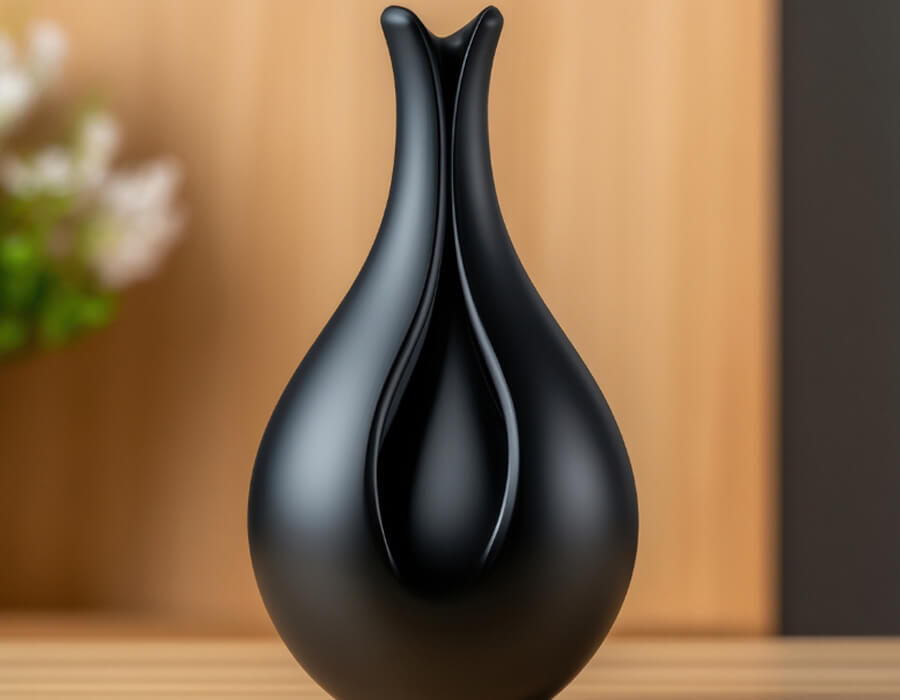
Decorative items inspired by organic shapes stay relevant because they mirror nature’s flow. Curves, soft lines, and slightly uneven forms bring ease into structured interiors. They balance sharp edges and rigid layouts often found in modern homes.
Organic decor bridges different styles smoothly. Whether a home leans traditional or contemporary, these shapes feel natural rather than designed for a moment. They age well because they don’t depend on fashion cycles.
They sit comfortably in living areas, bedrooms, or entryways. Organic forms also allow relaxed placement. They don’t demand symmetry or strict positioning. Instead, they soften spaces and make rooms feel approachable.
Because of this quiet adaptability, organic decorative items remain appealing year after year. They work with layered textures, varied furniture, and evolving colour palettes without ever feeling forced or outdated.
Classic Material Presence
Materials with a familiar feel continue to anchor decorative choices. Stone-like finishes, natural fibres, wood tones, and solid surfaces hold visual weight without overpowering a room. These materials feel grounded and trustworthy.
Their appeal comes from texture, tone, and substance rather than surface detail alone. People naturally gravitate toward items that feel sturdy and settled within a space. These pieces blend easily with both traditional and modern interiors.
They also handle everyday living well, developing character over time. Rather than losing charm, they gain depth through use and placement. That sense of continuity helps rooms feel stable and complete. Decorative items built around classic materials remain relevant because they align with real living, not passing trends.
Balanced Symmetry Appeal
Symmetry continues to shape decorative styling because it brings order and calm into rooms. Balanced arrangements help spaces feel settled without appearing rigid.
Matching or coordinating items placed with intention create rhythm rather than formality. This approach works well in rooms of all sizes. It offers structure while allowing personality to come through.
Decorative items suited to balanced layouts adapt easily. You can shift positions slightly and still maintain harmony. Symmetry also provides visual rest, which matters in busy households. It gives the eye a place to pause.
Over time, these arrangements feel reassuring instead of predictable. This sense of balance keeps decorative pieces relevant as interiors evolve, reinforcing structure while allowing rooms to stay welcoming and relaxed.
Soft Layered Textures
Layered textures help decorative items stay relevant across decades. When pieces interact through contrast, they create depth that doesn’t rely on trends. Soft against firm, smooth beside rough, and matte paired with subtle sheen bring balance into rooms.
Layering allows decorative items to support each other visually. It keeps spaces interesting without clutter. These combinations feel relaxed rather than overly styled.
Over time, layers evolve naturally as items move or shift position. This adaptability helps decor age well. Textured layers respond easily to seasonal updates and changing tastes. Because they focus on feel rather than novelty, they remain appealing long after styles fade.
They encourage experimentation while keeping rooms grounded, familiar, and visually engaging for everyday living.
Purposeful Decorative Forms
Decorative items that serve a role tend to remain relevant longer. When form meets function, pieces feel naturally integrated into daily life. Items that organise, hold, or frame essentials earn their place without drawing unnecessary attention.
These forms support routines while enhancing atmosphere. They don’t sit unused or feel decorative for show. Instead, they blend quietly into living spaces.
This balance helps rooms feel intentional and organised. Purposeful decor adapts well as layouts change. Items move between rooms and continue to fit seamlessly. Over time, that usefulness builds familiarity. Decorative forms with purpose remain appealing because they support how people live rather than interrupt it.
Personal Story Elements
Decorative items that reflect personal stories hold relevance beyond style cycles. These pieces connect spaces to the people who live in them. Personal elements bring warmth and authenticity. They don’t aim to impress. They aim to belong.
Items placed with meaning settle naturally into rooms. Over time, they become part of daily surroundings rather than standout features. This emotional connection helps decor stay relevant.
Personal pieces also adapt easily as homes change. They move between rooms and still feel right. Their value comes from familiarity, not novelty. By anchoring decor in personal expression, homes feel lived in rather than staged. That authenticity keeps decorative items meaningful regardless of shifting interior influences.
Adaptable Display Placement
How decorative items are displayed often determines how long they remain relevant. Adaptable placement allows pieces to shift as rooms evolve . Items that don’t rely on fixed positioning feel more flexible over time.
They move easily between shelves, tables, and corners. This flexibility keeps spaces refreshed without replacing anything. Adaptable decor supports experimentation while maintaining harmony.
It also suits homes where layouts change over the years. Items that display well in different contexts continue to feel useful and engaging. This mobility helps decor grow with a household.
Decorative items designed for adaptable display remain relevant because they respond to living spaces rather than rigid rules.